Fat Freezing vs. Cavitation vs. CoolSculpting: An Honest Guide to Non-Surgical Fat Reduction
If you’re researching non-surgical fat reduction, you’ve run into three names that seem to blur together: fat freezing, cavitation, and CoolSculpting. At Evolution of Her Beauty Med Spa we offer fat freezing and cavitation (plus a popular combination treatment), so let’s untangle what each one actually is — starting with the name that confuses people most.
First things first: CoolSculpting is a brand name
CoolSculpting is the best-known brand name for a treatment method called cryolipolysis — controlled cooling that targets fat cells. When people say “fat freezing,” they’re describing the same cryolipolysis approach: cooling a pocket of fat until the fat cells crystallize, then letting your body clear them gradually. So “fat freezing vs. CoolSculpting” is really “the treatment method vs. the famous brand of it.” Clinics differ in equipment, pricing structure, and how they package sessions, which is why the same basic method can cost noticeably less at a local med spa than at a national chain.
How fat freezing works
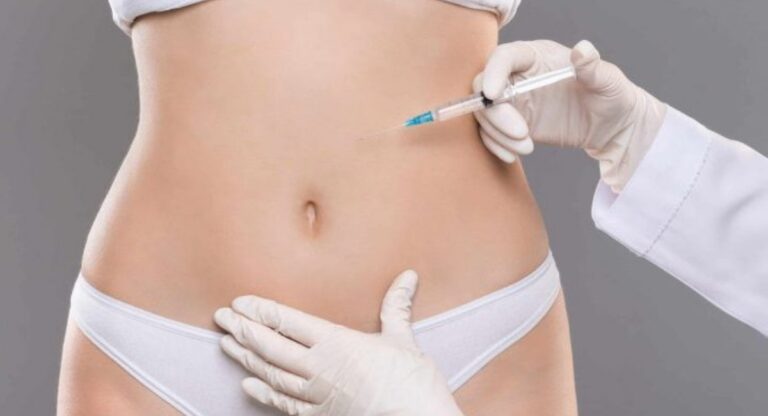
An applicator draws a pinchable pocket of fat — lower stomach, love handles, thighs, back, or under the chin — into gentle suction and cools it precisely. Fat cells are more sensitive to cold than the surrounding skin, so the cooling crystallizes the fat cells while leaving skin and tissue alone. Over the weeks that follow, your body processes and clears those cells naturally.
The first few minutes feel very cold, then the area goes numb and most people relax, read, or even nap. Afterward the area can feel numb, tender, or slightly swollen for a while — that’s common. There are no needles, no surgery, and no downtime; you go right back to your day.
Timeline honesty: fat freezing is gradual. Changes develop over several weeks, with the fuller result showing over one to three months. It rewards patience.
How cavitation works
Ultrasonic cavitation takes a completely different route: sound instead of cold. A handheld device is glided over the area — stomach, thighs, arms, back, love handles — delivering low-frequency ultrasound waves into the fat layer. Those waves create tiny pressure changes that help break down fat cells, and your body then processes that fat naturally over time. Most people describe the session as a warm massage; you may hear a light buzzing in your ears during treatment, which is normal and is simply the ultrasound at work.
Timeline honesty: cavitation results are gradual and build across a series of sessions, usually spaced about a week apart per area. Each session moves things along; the series is where the change shows.
At Evolution of Her Beauty Med Spa, cavitation is often paired with RF skin tightening in one appointment — while the cavitation works on the fat layer, the radiofrequency warmth supports collagen in the skin above it. For people whose concern is “smaller and firmer,” that combination is frequently the smartest plan.
Side by side: which one fits you?
Choose fat freezing if you have a specific, pinchable pocket — a lower-belly pouch, defined love handles — and you’re fine letting results unfold over one to three months. It’s typically packaged by area or in multi-session packages, and it’s a “treat it and let your body work” option.
Choose cavitation if your concern is more general contouring across an area, you like the idea of a relaxing, massage-like session, and you’re comfortable with a weekly series. Cavitation also suits people who want to combine fat work with skin tightening in the same visit.
Choose neither — yet — if you’re looking for overall weight loss. Neither treatment is a weight-loss method or a substitute for one, and we’ll tell you that plainly at your consultation. If significant weight is the goal, our weight-loss injection program may be the right first chapter, with contouring afterward to shape the result.
A word about “permanent”
You’ll see this claim everywhere, so here’s the honest version. When fat cells are destroyed by freezing or broken down by cavitation, those treated cells are gone and don’t grow back. But the fat cells that remain in the area can still enlarge if you gain weight. So results can be long-lasting with stable habits — not magic armor against future weight gain. Any clinic that skips that second sentence is selling you something.
What affects total cost? The method, the size and number of areas, and how many sessions your plan needs — freezing is usually priced per area or package, cavitation per series. We don’t publish our price list online, but we’ll give you current pricing and an honest session plan at your consultation before you commit to anything.
Frequently Asked Questions
Is fat freezing the same as CoolSculpting?
CoolSculpting is a brand name for cryolipolysis — controlled-cooling fat reduction. Fat freezing describes the same treatment method. Equipment and pricing vary by clinic, which is why costs differ.
Does cavitation hurt?
No — most people describe it as a warm massage while the device is glided over the area. You may hear a light buzzing sound during the session, which is normal. There’s no downtime.
How soon will I see results?
Fat freezing results develop over one to three months as your body clears treated cells. Cavitation results build gradually across a series of sessions. Results vary from person to person.
How many sessions will I need?
It depends on the area and your goals. Fat freezing is often done as an area treatment or package; cavitation is a series, spaced about a week apart per area. Your consultation maps out the real plan.
Book a straight-talk consultation
Call or Text (469) 708-3954, or visit our Fat Freezing and our RF Skin Tightening & Cavitation service pages on the Evolution of Her Beauty Med Spa website to learn more and book from there. Arlington is open Wednesday, Friday, and Saturday; Richardson is open Tuesday, Thursday, and Saturday. We’ll look at the area together, tell you honestly which method fits — and if neither does, we’ll tell you that too.